
Posts by Lisa Perrotti-Brown MW
Louis Roederer at 250: On Being (and Staying) Family-Owned
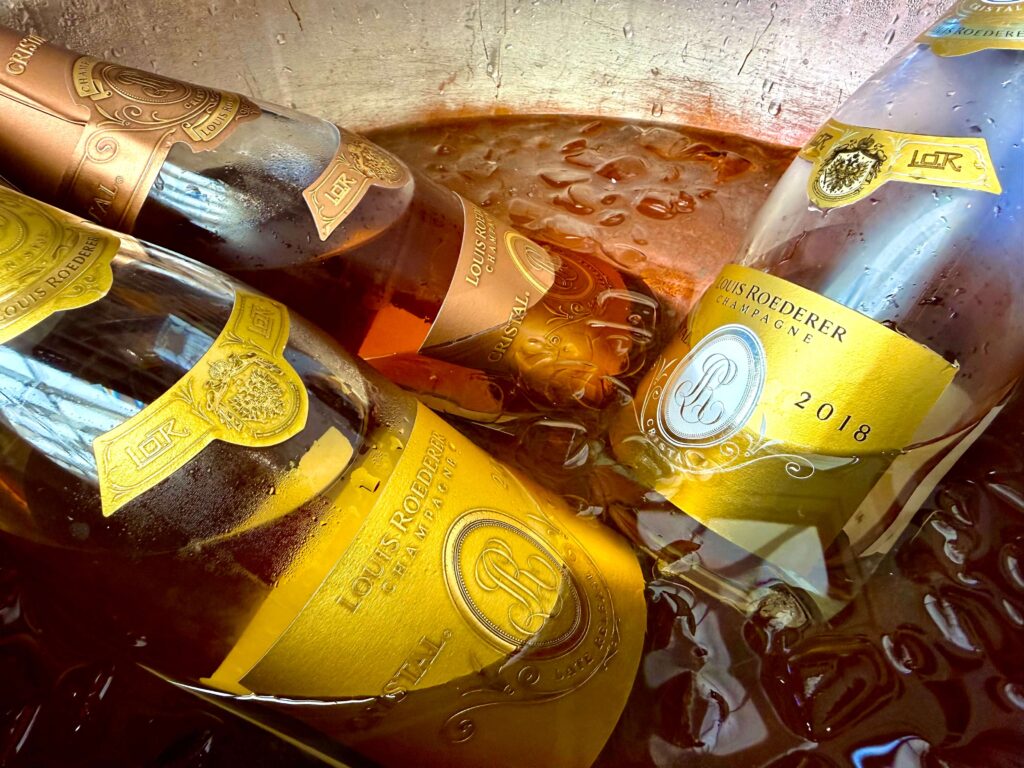
While the United States spends 2026 patting itself on the back for 250 years of independence, a family in Reims is marking the same anniversary. All told, I think the family has had the harder job of it. Declaring independence takes an afternoon and a decent pen. Keeping a Champagne house in the family for…
Read More8 Iconic Champagnes for Summer Celebrations
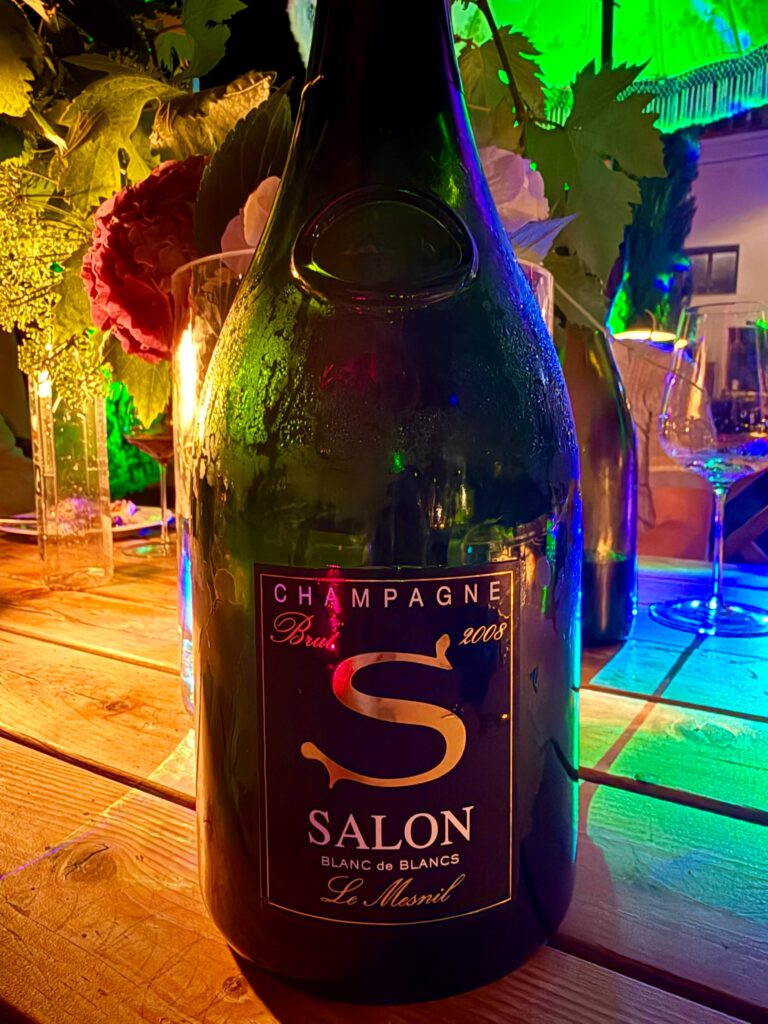
There is no season that flatters Champagne quite like summer. The long evenings, the garden tables, the weddings and anniversaries and spontaneous Tuesday-night celebrations — all of them seem to call for the snap of a cork and the glint of fine bubbles in golden light. And while any well-made Champagne can rise to the…
Read MoreThe 1976 Judgment of Paris: A Reenactment and Reappraisal
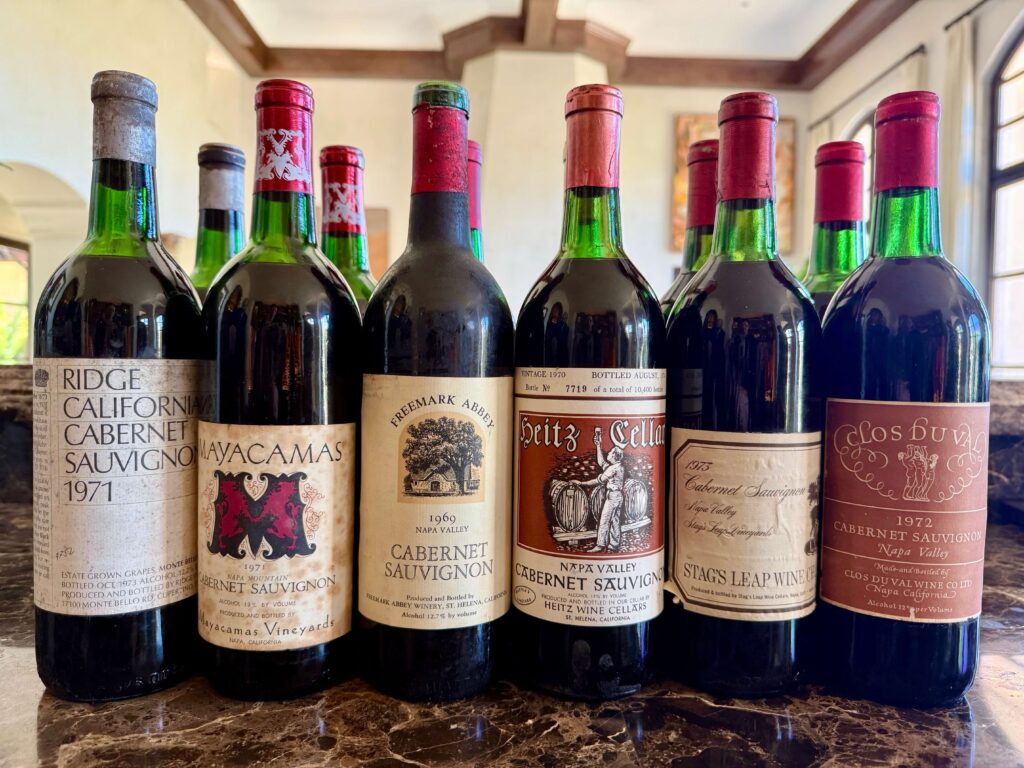
On May 21st this year, I moderated a memorable recreation of the 1976 Judgment of Paris red wine tasting, nearly 50 years to the day of Steven Spurrier’s original tasting. This tasting was presented by collectors Mary and Phillip Riesland, benefiting their charity, The Rare Society Foundation, which supports individuals and families affected by rare…
Read MoreKoshu: Japan’s Ancient Grape
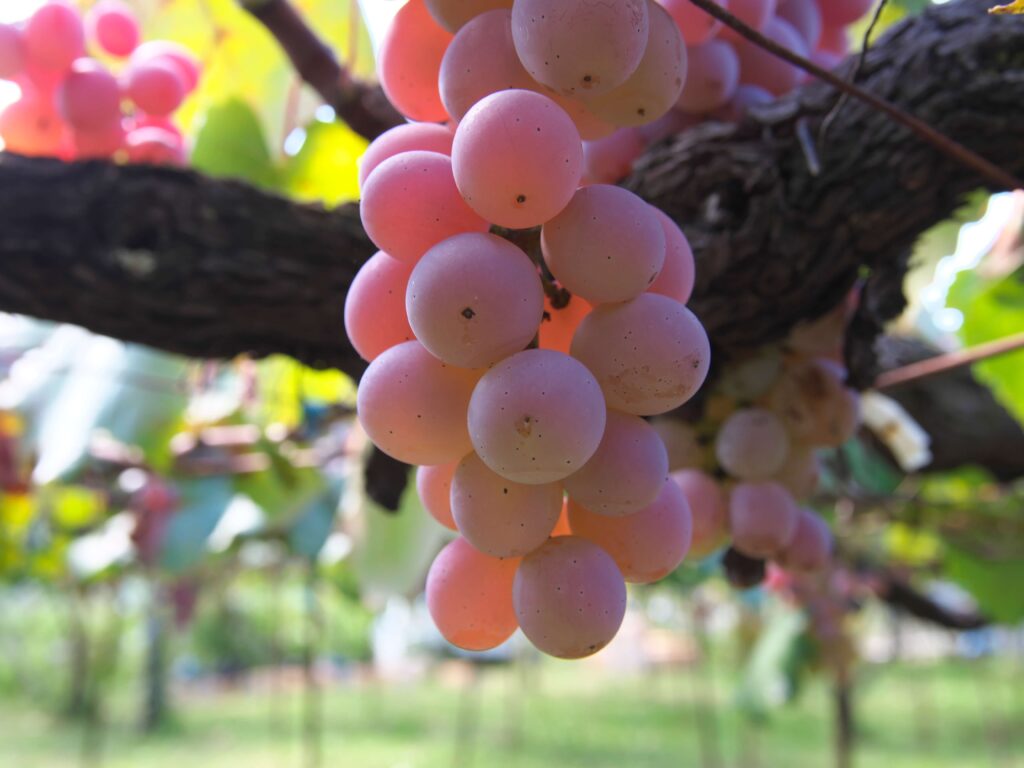
Few wines carry the weight of more than a thousand years of history in a single glass. Koshu, Japan’s indigenous white wine grape, does exactly that. Cultivated in the shadow of Mount Fuji since antiquity and vinified seriously for barely 150 years, it has recently developed a following among sommeliers and wine lovers worldwide. Its…...
Bordeaux 2025 En Primeur – A Few Words on Pricing
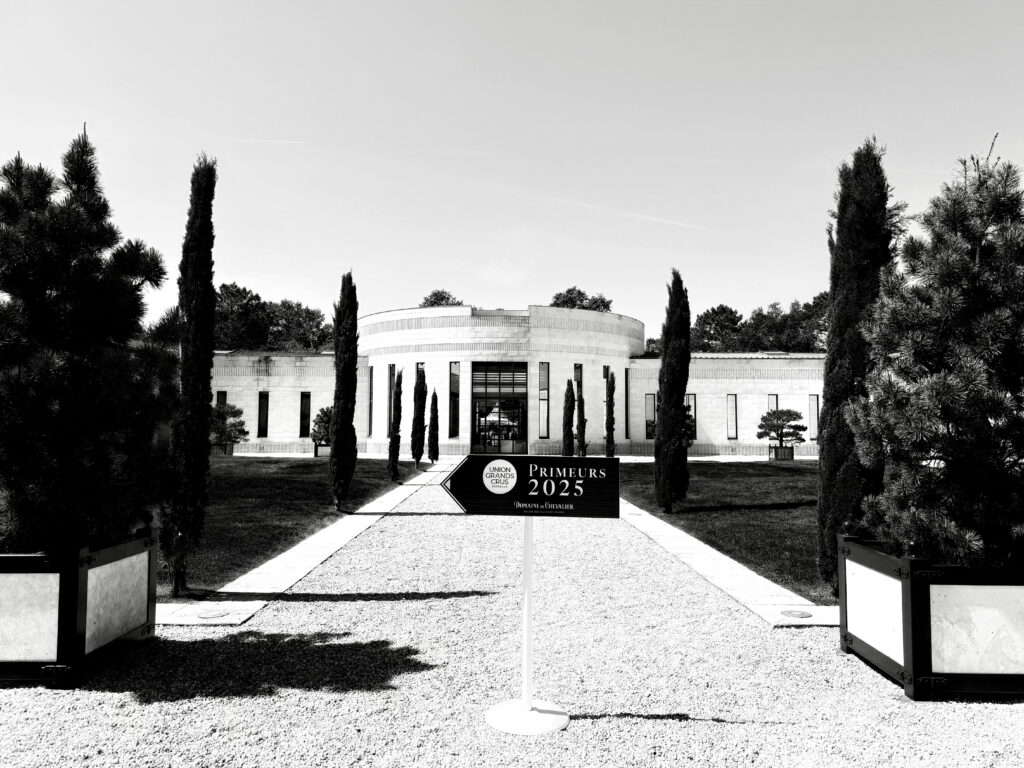
Bordeaux has a pricing problem—and 2025 is shaping up to be another moment where the region either reads the room or ignores it completely. The en primeur system only works if buyers feel like they’re getting something—value, access, upside, or at the very least, not a slow bleed in the secondary market six months later.…...
Lafleur’s Controversial Decision—Questioning Bordeaux’s Irrigation Rules
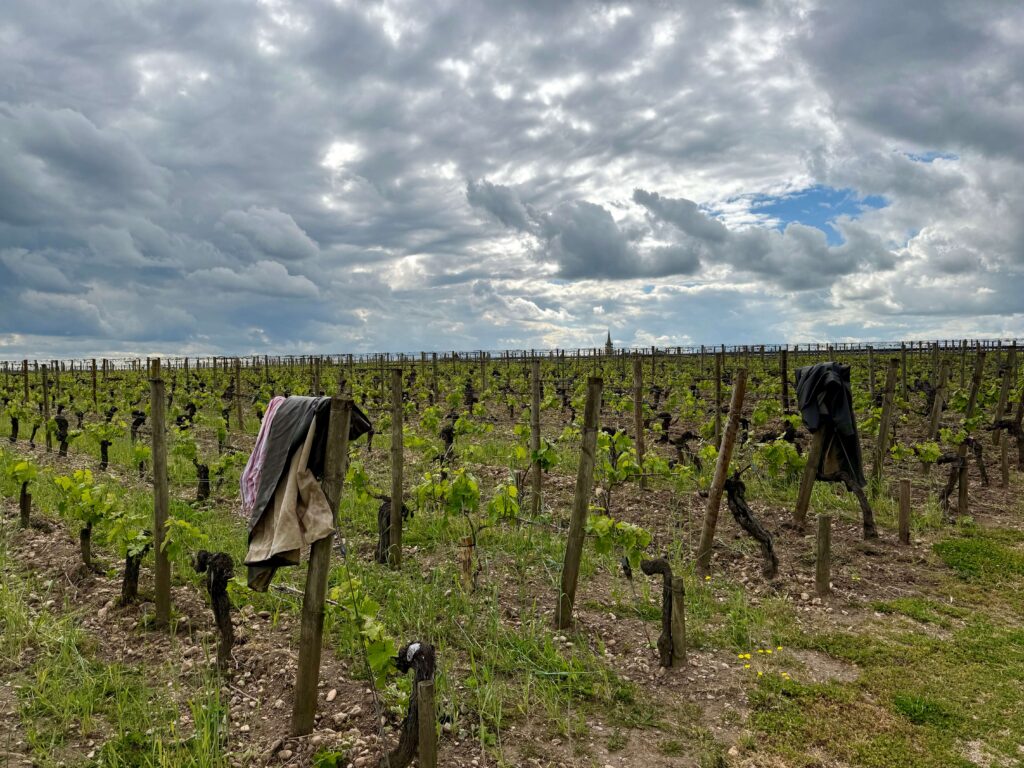
Located in the heart of one of Bordeaux’s hottest terroirs—the Pomerol plateau—largely on free-draining gravel with little water-holding capacity, the extreme drought of the 2025 vintage meant this was not just another growing season for Lafleur—it is a hard line in the sand. It was the year they opted out of the INAO’s (Institut National…...
Grower Champagne: Terroir-Driven Wines in a Changing Region
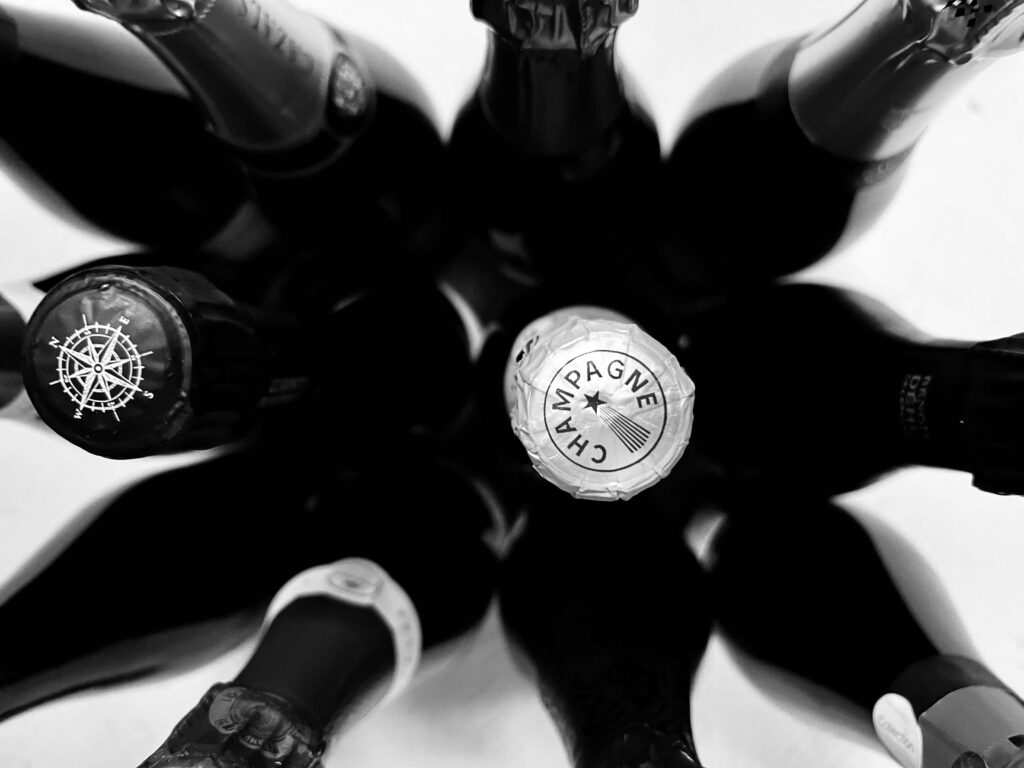
Two decades ago, grower Champagnes occupied the fringes of the market—esoteric bottlings made by small farming families, championed by sommeliers, Champagne obsessives, and the occasional renegade importer. Labels such as Jacques Selosse, Egly-Ouriet, and Ulysse Collin were whispered about rather than displayed, their wines produced in tiny quantities and often vanishing into private allocations before…...
Glossary A

Acetic acid is the most abundant of the volatile acids in wine, existing in small concentrations as a by-product of fermentation. It’s also a major component of vinegar. If detectable in wine, this vinegary character can be considered a fault. Volatile acidity (VA) is another way of saying “acetic.” Acetaldehyde is formed by the oxidation…...
Glossary B
Balance in wine specifically refers to a wine’s components—sweetness, acidity, aromas/flavors, tannins, and alcohol—all existing in harmonious proportions that complement one another so that no single aspect negatively dominates the nose or palate. Bâtonnage is the practice of aging wine for a period on its sedimentary lees (dormant yeast cells) in a tank or barrel…...
Glossary C
Carbon dioxide (CO2) is an inert gas commonly used in winemaking. Naturally produced as a by-product of fermentation, it is generally purchased in canisters and used in the winery to help protect juice and wine from oxidation. It can be used to push juice or wine through hoses or to cover a tank. CO2 is…...
Glossary D
Deacidification is the practice of intentionally reducing the acidity in grape juice or wine, usually with a corresponding increase in pH. The most common, widely accepted, and arguably “natural” method of reducing acidity in wines is malolactic fermentation. Chemical deacidification is sometimes performed, where permitted, in certain cooler regions of Europe, such as Germany, and during…...
Glossary E
Ellagitannins in wine generally originate from oak used in winemaking, barrel aging, or as an additive. The levels of tannins introduced during barrel aging depend on the species of oak, its growth region, and how it is seasoned and toasted. Additionally, the size of the oak barrel (which determines the surface area) and the amount of…...
Glossary F
Fault / Faulty: A fault is a term for a flaw in a wine, generally meaning an undesirable and unpleasant character. However, in reality, most wines fall into a gray area somewhere between faulty and faultless. Nearly all wines have faults such as volatile acidity, which, in small amounts, can add a bit of seasoning…...
The Quixotic Pursuit of Balance
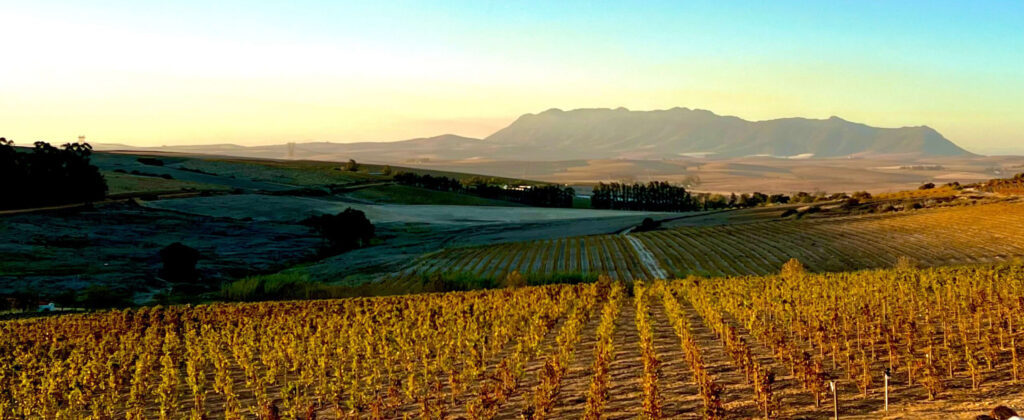
We all lose our balance sense from time to time, wine communicators maybe more often than others. Of all the major wine quality factors—such concepts as Purity (the relative lack of wine faults), Intensity, Complexity, and Length of Finish—it’s Balance that’s always the poster child for one-style factions. It stands to reason. I mean, who’s…...
The Changing Face of Bordeaux
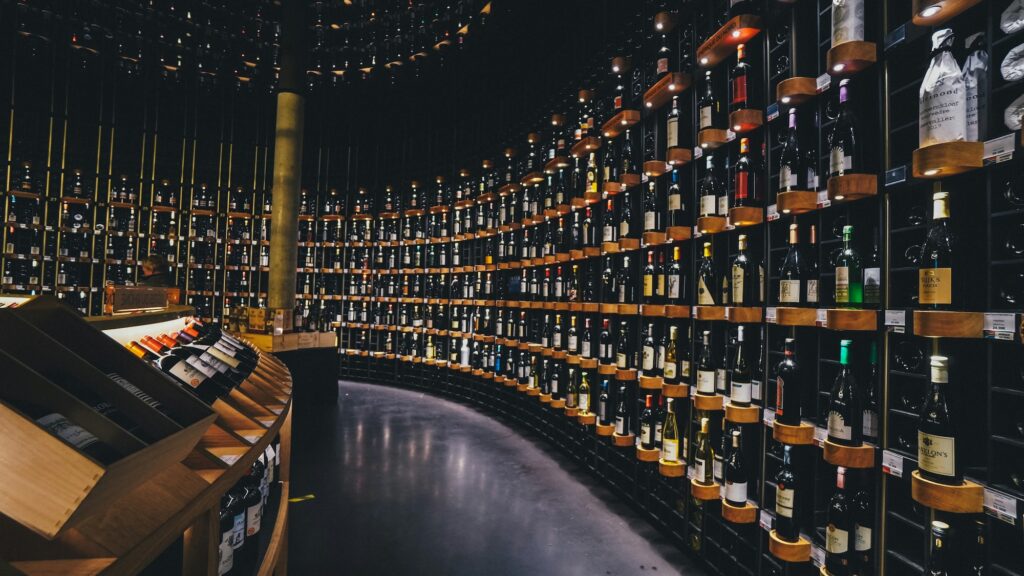
Bordeaux is the alpha and the omega for many wine collectors—the beginning and the end. It is usually an encounter with a mature bottle of Bordeaux wine, whether rarified or humble in nature, that sparks the epiphany moment of passion. When a wine-drinking novice first experiences that singular collection of complex, tertiary, evolved characters in…...